I spent my career as an Army engineer keeping essential systems running when the easy options were gone. The lesson that stuck with me is the same one that trips up almost every beginner who wants to live off-grid: self-reliance is not about gear, and it is not about fear. It is about understanding a few systems well enough to keep them running yourself. Get that right and you do not need a bunker. You need a plan.
The biggest beginner mistake
New preppers almost always start by shopping. They buy a generator, a knife collection, a year of freeze-dried food, and a stack of gadgets, and they feel prepared. They are not. A generator with no stored fuel and no plan is just a heavy box. Preparedness is not a pile of equipment. It is a set of working systems you have tested and understand.
So before you spend a single dollar, change the question. Not "what should I buy," but "what keeps my household alive and comfortable, and in what order does it fail?" That order is your roadmap.
The off-grid priorities, in order
Survival has a hierarchy, and it does not care about your gear wishlist. Solve these in sequence:
- Water. You can last weeks without food but only days without water. Know where yours comes from, store a real supply, and have a way to filter and purify more. This is always first.
- Power. Once water is handled, energy keeps your food cold, your home warm, and your information flowing. Start small and specific: what must stay on, and for how long? Solar and batteries come after you can answer that.
- Food. A rolling buffer of food you actually eat beats a pallet of survival rations you will never touch. Build two weeks first, then a month, rotating as you go.
- Waste and sanitation. The unglamorous one that makes people sick when it is ignored. Have a plan for waste and hygiene before you ever need it.
- Security and communication. Last, not first. A way to stay informed, stay in touch, and keep your household safe, calmly and proportionately.
Notice that security is at the bottom, not the top. The cinematic version of survival gets this exactly backwards.
How much water is enough for your household? The emergency water calculator works it out in seconds, from the one gallon per person per day rule.
Your first 90 days (a sane plan)
You do not need to do everything at once. Here is a realistic ramp that costs almost nothing to begin:
- Weeks 1 to 2: store water, locate every shutoff in your home (water, gas, power), and build a two-week food buffer from your normal grocery run.
- Weeks 3 to 6: add water filtration, a simple backup power source for essentials, and a basic first-aid and medication supply.
- Weeks 7 to 12: extend food to a month, write a one-page family plan for outages, and test one system for real by living on it for a weekend.
That last step is the one most people skip and the one that matters most. An untested system is a guess.
You probably do not need to leave the grid
Here is the part the survival forums rarely admit: the vast majority of off-grid value applies right where you already live. Backup power, stored water, a food buffer, and a calm plan for when services fail will carry an ordinary family through almost anything they are realistically likely to face. You can apply nearly all of it in a suburb or an apartment. Going fully off-grid is a lifestyle choice, not a prerequisite for resilience.
The complete system
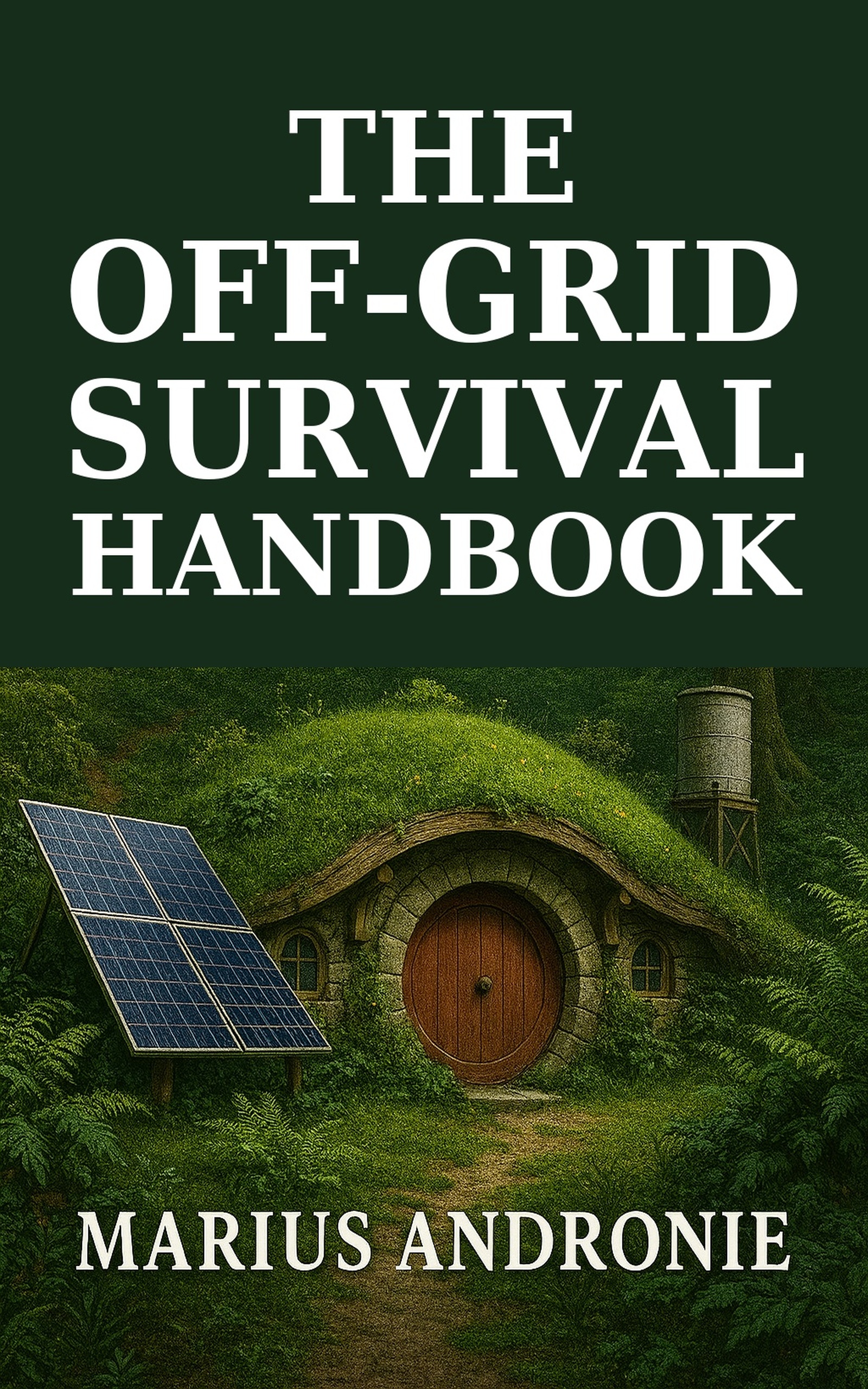
The Off-Grid Survival Handbook
The full, step-by-step plan behind this article: resilient power, clean water, safe food, and security for ordinary families, written by a retired Army engineer. No bunker required.
Get it on AmazonIf you want the deepest version, there is also an extended 183-page edition, The Off-Grid Mindset, on Leanpub.
Frequently asked questions
How do I start living off-grid as a beginner?
Start with a plan, not gear. Work the priorities in order, water, power, food, waste, then security, and finish one working system before starting the next. Build resilience where you live first.
What is the best off-grid survival book for beginners?
One that gives you a system rather than survivalist drama, with clear chapters on water, energy, food, and security for ordinary families. The Off-Grid Survival Handbook is written that way, with an extended edition for those who want the complete plan.
Do I need to move to the country?
No. Most off-grid value is resilience where you already live: backup power, stored water, a food buffer, and a plan for outages. You can apply nearly all of it without leaving the grid.
How much does it cost to start?
Your first month can be almost free: store water, learn your shutoffs, and build a two-week food buffer from normal groceries. Bigger items like solar come later, once you know what you need to power.
More from the blog, or browse all of Marius's books.