"Bugging in" means staying home and riding out an emergency. "Bugging out" means leaving for somewhere safer. Prepper forums can make this sound dramatic, but for ordinary families it is a practical decision, and the time to make it is now, calmly, not at 2 a.m. with the wind howling.
Rule one: official orders come first
Before any personal rule: if local officials tell you to evacuate, go. If they tell you to shelter in place, stay inside. They can see things you cannot, like a fire's direction, a chemical spill or a failing dam. Ready.gov's advice is simple: always follow the instructions of local officials, and leave early enough to avoid being trapped by severe weather.
The question below is for everything else: the situations where nobody is telling you what to do, and you have to decide.
Why staying home is usually the default
Your home holds your water, food, warm clothes, medicines and familiar routines. On the road you have only what fits in the car, and you share the roads with everyone else. For most outages, storms and short emergencies, a prepared home is the safer place. That is why the handbook treats bugging in as the starting point and leaving as a decision with clear triggers.
The three-question rule
The Off-Grid Survival Handbook turns the decision into three questions anyone in the family can answer:
| Question | "Stay" answer | "Leave" answer |
|---|---|---|
| 1. Is the house structurally safe? | Yes: no serious damage, no flooding, no fire risk | No: damage, rising water, smoke or gas |
| 2. Do you have water, food and shelter for two weeks or more? | Yes | No, or not with the heat or power you have |
| 3. Is the threat outside growing closer? | No, it is stable or passing | Yes, it is coming your way |
Two "leave" answers out of three means it is time to go. One "leave" answer means stay alert and get ready to move. The beauty of the rule is that you decide the triggers in advance, so fear does not decide for you on the night.
Question two is where most families can make the biggest difference today. Start with water: the emergency water calculator tells you how much your household needs for two weeks.
If you stay: the bug-in checklist
- Water and food for at least two weeks for everyone, pets included.
- Light, a radio and a way to charge phones (see the power outage checklist).
- A warm room plan for winter and a cool room plan for summer.
- Medicines and a first aid kit.
- Know where your water, gas and electricity shut-offs are, and how to use them.
- Working smoke and carbon monoxide detectors.
- Check in with neighbors. A street that looks out for each other is safer than one isolated house.
If you leave: the bug-out checklist
- A pre-chosen destination, such as a friend or relative outside the area, and a backup route.
- A grab bag for each person: water, snacks, a change of clothes, medicines, a flashlight, a phone charger.
- Copies of important documents, and some small bills of cash.
- A plan for pets. Ready.gov notes that public shelters may only allow service animals, so know where your pets can go.
- Fuel. Ready.gov advises keeping a full tank if an evacuation seems likely.
- A household meeting place, in case anyone is separated.
- A note on the door or a message to family saying where you have gone.
Practice once, calmly
The handbook's four-week starter plan ends with a family drill for a reason. Once a year, sit down and run the three questions together. Then time how long it takes to load the car with the grab bags. Most families find something to fix, a missing charger, a medicine not packed, and that is the point. It is far better to discover it on a quiet Saturday.
Not paranoia, just a plan
Deciding in advance does not mean expecting disaster. It means that if a hard night comes, your family already knows what to do, and you can stay calm for the people who are counting on you. If you are just starting, how to become more self-sufficient sets out the priorities in order.
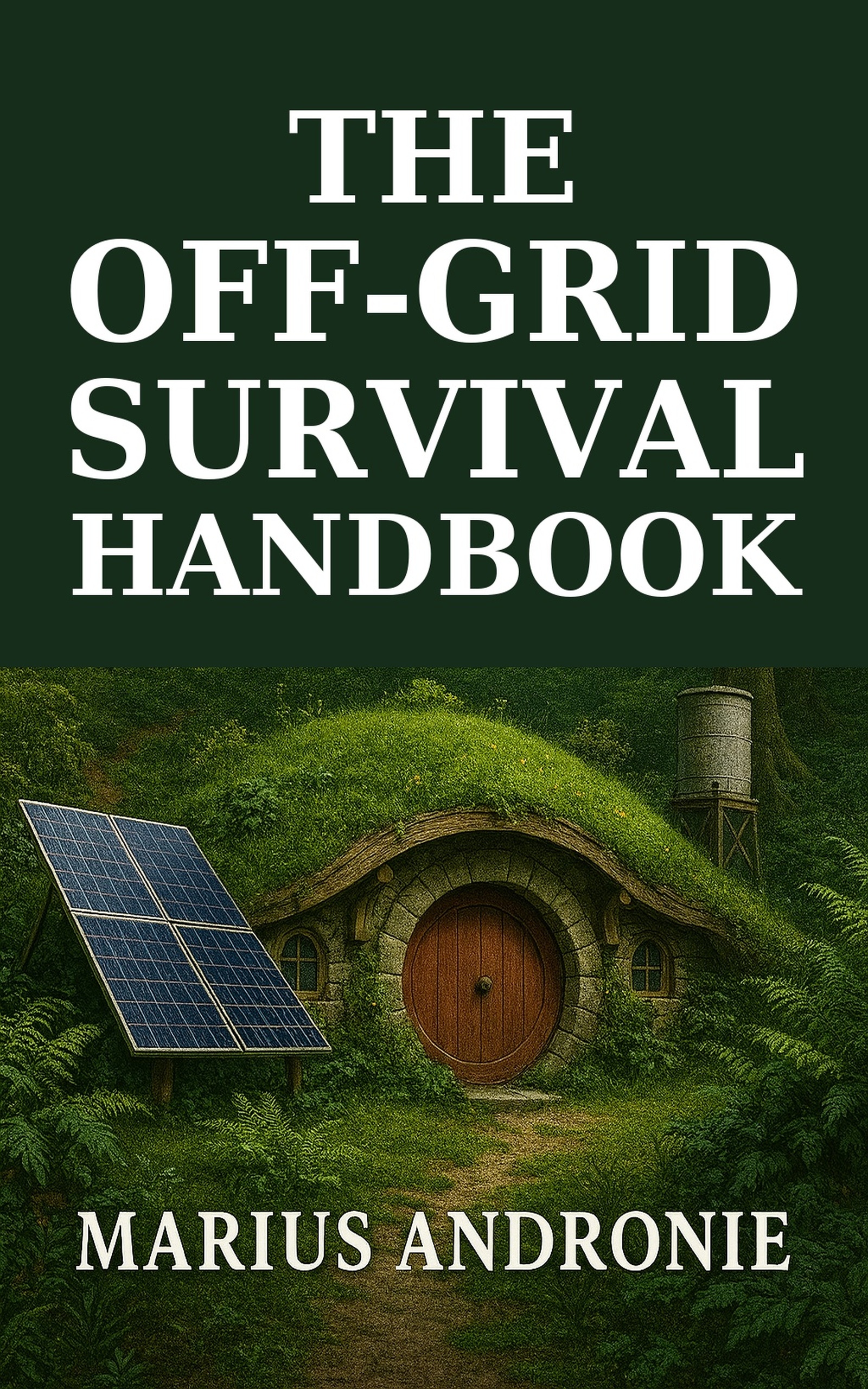
The complete system
The Off-Grid Survival Handbook
An off-grid survival book for ordinary families, with the three-question stay-or-leave rule, separate bug-in and bug-out checklists, and a 30-day starter plan that ends with a family drill.
See the handbookFrequently asked questions
What does bug in or bug out mean?
Bugging in means staying home through an emergency. Bugging out means leaving for a safer place. For most households and most emergencies, a prepared home is the safer default unless officials order an evacuation.
How do I decide whether to stay or evacuate?
Follow official orders first. Otherwise, The Off-Grid Survival Handbook asks three questions: is the house structurally safe, do you have two weeks or more of water, food and shelter, and is the threat growing closer? Two wrong answers out of three means leave.
Is it safer to shelter in place or evacuate?
It depends on the hazard. Officials usually advise sheltering in place when the danger is outside, such as smoke or a chemical release, and evacuating when the home itself is at serious risk. Always follow local instructions.
What should be in a bug-out bag?
Water, snacks, a change of clothes, medicines, a flashlight, a phone charger, copies of documents and some small bills, packed for each person, plus a plan for pets.
Can I take my pets if I evacuate?
Take them with you, but plan ahead. Ready.gov notes that public shelters may allow only service animals, so arrange a pet-friendly place in advance.
Related reading: the power outage checklist, the emergency water calculator, or off-grid survival for beginners, or more on the blog.