Few money questions weigh on believers like this one. You want to honor God with your giving. You also owe money, and the payments feel heavy. Is it faithful to keep giving, or faithful to pay what you owe first? The good news is that you do not have to choose between faith and wisdom. Scripture speaks to both.
This is a Bible study perspective, not financial advice. Your pastor and, where needed, a financial counselor can help with your specific situation.
What Scripture says about giving
The tithe, a tenth, appears in the Old Testament as part of Israel's worship and support of the temple (Leviticus 27:30, Numbers 18:21). Malachi 3:10 famously invites God's people to bring the whole tithe and test His faithfulness. In the New Testament, the emphasis moves to the heart of the giver: "Each of you should give what you have decided in your heart to give, not reluctantly or under compulsion, for God loves a cheerful giver" (2 Corinthians 9:7). Paul also asks believers to set aside a sum regularly, "in keeping with your income" (1 Corinthians 16:2).
Christians differ on whether the tenth is a binding rule today or a starting point and good pattern. Both views take giving seriously. Neither view treats giving as optional.
What Scripture says about debt
The Bible does not call borrowing a sin, but it treats debt as a weight. "The borrower is slave to the lender" (Proverbs 22:7). It asks us to repay: "The wicked borrow and do not repay" (Psalm 37:21). And Paul writes, "Let no debt remain outstanding, except the continuing debt to love one another" (Romans 13:8). Repaying what you owe is part of a faithful witness, not a distraction from it.
What Scripture says about your household
There is a third thread that often gets left out of the tithing debate. "Anyone who does not provide for their relatives, and especially for their own household, has denied the faith" (1 Timothy 5:8). Feeding your children and keeping a roof over them is also obedience. A giving plan that leaves your family unable to meet basic needs is worth bringing back to prayer.
The main views Christians hold
| View | What it says | The scriptural reasoning |
|---|---|---|
| Keep tithing in full | Give the tenth first and trust God with the rest, including the debt. | Firstfruits giving (Proverbs 3:9), Malachi 3:10, and the conviction that giving is worship, not a budget line. |
| Give something, steadily | Keep a regular gift, even if smaller for a season, while working hard to clear debt. | Giving "in keeping with your income" (1 Corinthians 16:2) and a cheerful, not forced, gift (2 Corinthians 9:7). |
| Pause, then return | Focus on repaying debt quickly, then give generously once free. | Repaying what is owed (Psalm 37:21, Romans 13:8) and providing for the household (1 Timothy 5:8). |
Many pastors encourage the middle path, because it keeps the habit of giving alive while honoring the duty to repay. But this is a matter of conscience. Romans 14 reminds us not to judge one another on disputable matters, and that applies here too.
A prayerful way to decide
- Pray first, with your spouse if you are married. A giving decision made in unity is one you can both keep.
- Write down the real numbers. Income, essential bills, minimum debt payments. Fear grows in vague numbers and shrinks in clear ones.
- Check your heart. Are you holding back from giving out of fear, or is it truly impossible right now? Are you giving out of guilt rather than joy? Both are worth bringing to God.
- Ask a wise believer. "Plans fail for lack of counsel, but with many advisers they succeed" (Proverbs 15:22). Your pastor will have walked with others through this.
- Make a plan to grow your giving. If you reduce your gift for a season, decide now when and how it rises again, for example each time a debt is paid off.
- Remember giving is more than money. Time, service and hospitality are gifts too, and they cost nothing that your creditors are owed.
Stop the cause, not only the symptom
The tithing question usually shows up because the debt is already painful. The deeper work is stewardship and contentment: seeing your money as a trust from God, and stepping off the treadmill of comparison that feeds overspending. Those are the first themes of the 12-week study in Biblical Financial Principles, and they are summarized in biblical principles for financial freedom. If you want a practical way to order your debts once you have prayed this through, see debt snowball vs avalanche.
Whatever you decide, decide it in peace. God is not waiting to condemn you for the debt. He is inviting you, step by step, into freedom.
The 12-week study
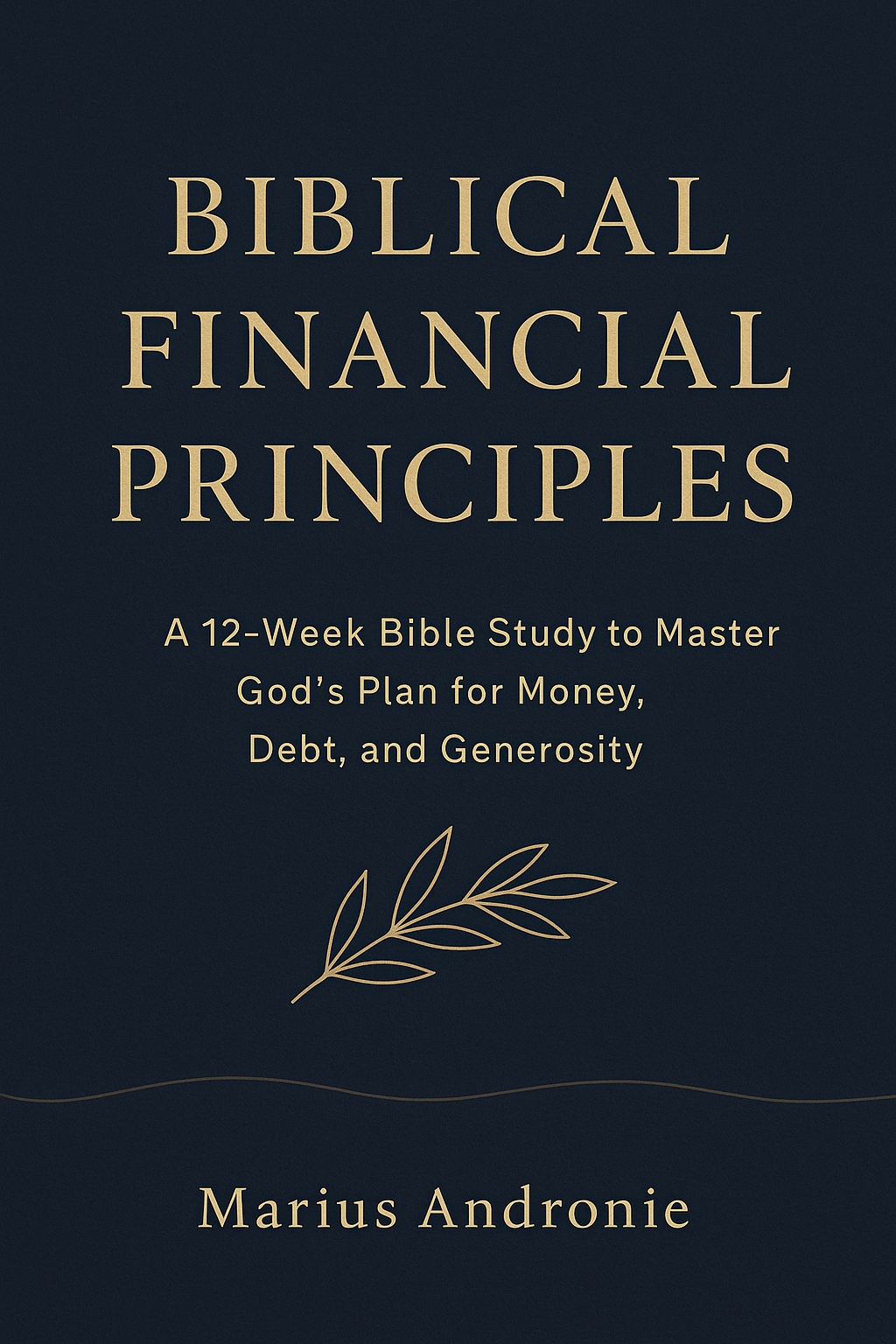
Biblical Financial Principles
A 12-week Bible study on stewardship, contentment, escaping debt, saving and generosity, with short readings, reflection and one concrete action each week. For individuals, couples and small groups.
See the studyFrequently asked questions
Should I tithe if I am in debt?
The Bible does not give a direct rule. Scripture asks us to give cheerfully, to repay what we owe, and to provide for our households. Many Christians keep giving something while paying off debt, and decide the amount prayerfully with their spouse or pastor.
Is it a sin to have debt?
Scripture does not call borrowing a sin, but it treats debt as a burden (Proverbs 22:7) and calls us to repay what we owe (Psalm 37:21, Romans 13:8). The goal is freedom, not shame.
Is the tithe required for Christians today?
Christians differ. Some see the tenth as a continuing command, others as a good pattern within New Testament generosity, which stresses cheerful, regular giving in keeping with income. Both views treat giving as part of faithful life.
Can I give less while I pay off debt?
Many believers do, for a season, while keeping a regular gift so the habit of generosity stays alive. If you reduce your giving, set a plan for when it will rise again.
Does giving have to be money?
Money is one way to give. Time, service and hospitality are also gifts to God and others, and they can grow even when your budget is tight.
Related reading: biblical principles for financial freedom, debt snowball vs avalanche, or budgeting on one income, or more on the blog.